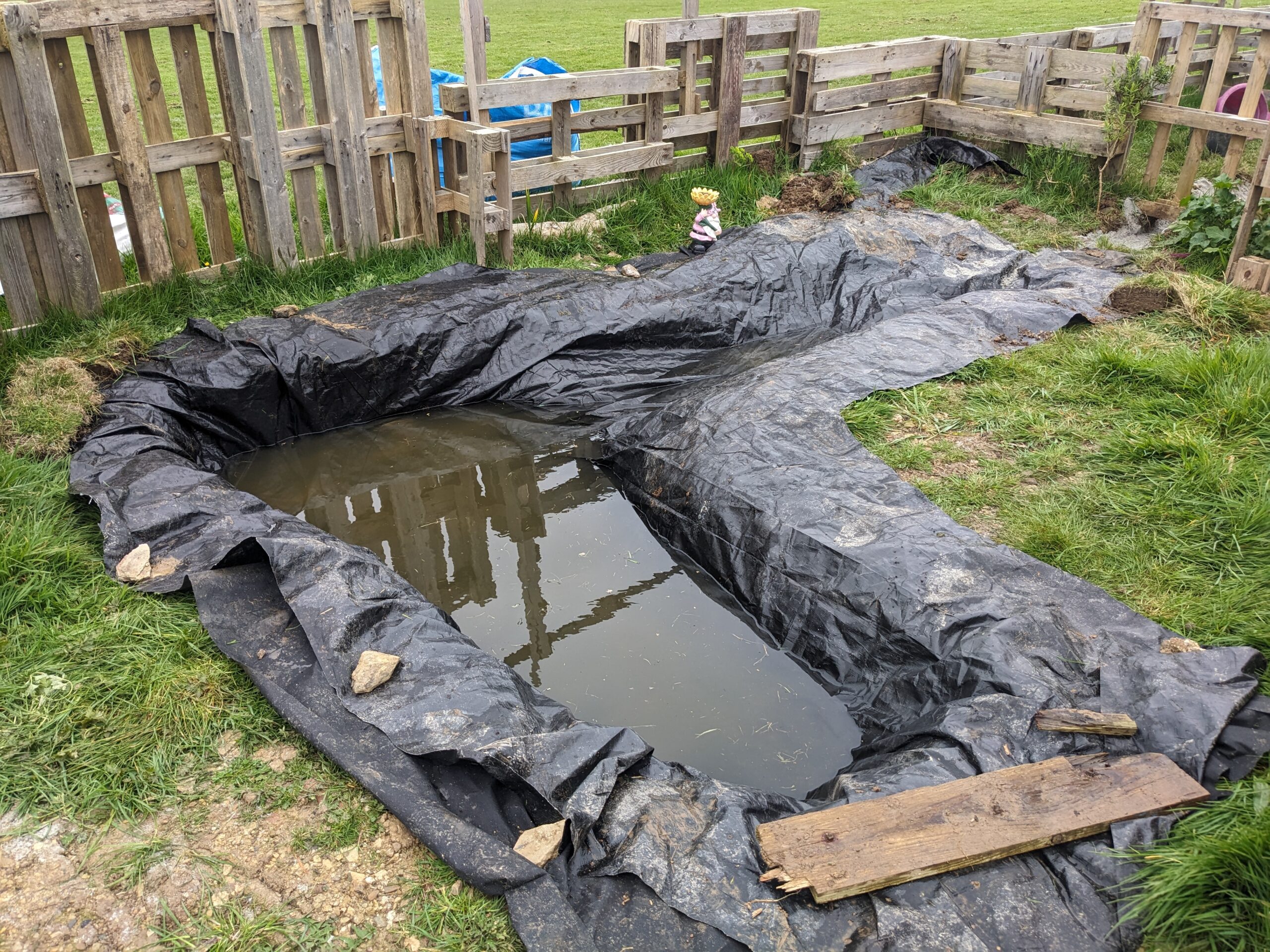
Purpose: This protocol outlines the procedures for managing health risks associated with pond water and its immediate environment. The goal is to prevent illness and ensure the well-being of all students and staff.
1. Personal Hygiene and Behavioural Controls
Hand and Skin Care
- All participants must use an approved alcohol-based hand sanitiser immediately after leaving the pond area.
- Any open cuts, abrasions, or broken skin must be covered with a waterproof plaster before the session begins.
- Participants will be actively discouraged from investigating insects with their bare fingers.
Eating and Drinking
- Under no circumstances is eating or drinking permitted in the immediate vicinity of the pond. Food and drinks must be consumed in a designated, clean area well away from the water.
Protective Clothing and Equipment
- All students are to wear long clothing (long trousers and long-sleeved tops) to protect their skin from scratches and reduce the risk of direct contact with pond water and foliage.
- Gloves must be worn by all students and staff during activities that involve direct contact with pond water or its contents, such as pond-dipping.
2. Pond Environment and Maintenance
Water Quality Management
- The pond’s water quality will be monitored to ensure it is as healthy as possible.
- Where possible, a system will be put in place to ensure a flow of water to keep algae to a minimum.
- Any large areas of surface algae, scum, or visible contaminants will be cleared from the immediate activity area before a session begins.
3. Health Awareness and Guidance
Weil’s Disease (Leptospirosis)
- Staff and students will be made aware of the risks associated with waterborne diseases, including Weil’s Disease, which is carried by rodents and can be present in water.
- Strict adherence to the use of gloves and covering cuts is the primary preventative measure.
- Any person who shows signs of flu-like symptoms after a session will be advised to seek medical attention and inform a doctor of their contact with pond water.
Allergies:
- The youth worker and any other supervising staff must be aware of and check for any known allergies among the students, particularly those related to insect stings or plant contact.
- Students with allergies will be supported to avoid contact with known allergens.
4. Protocol for Pond-Dipping
- All pond-dipping activities will strictly adhere to the CLEAPSS guidance.
- All equipment used for pond-dipping (nets, trays, etc.) will be thoroughly cleaned and dried after each use to prevent cross-contamination.
This protocol ensures that all reasonable steps are taken to mitigate health risks, promoting a safe and educational environment for everyone.